
Manufacturing
Custom Brass Corporate Gifts: Manufacturing Process, Costs and Lead Times
Written by the Wischos Gift sourcing team
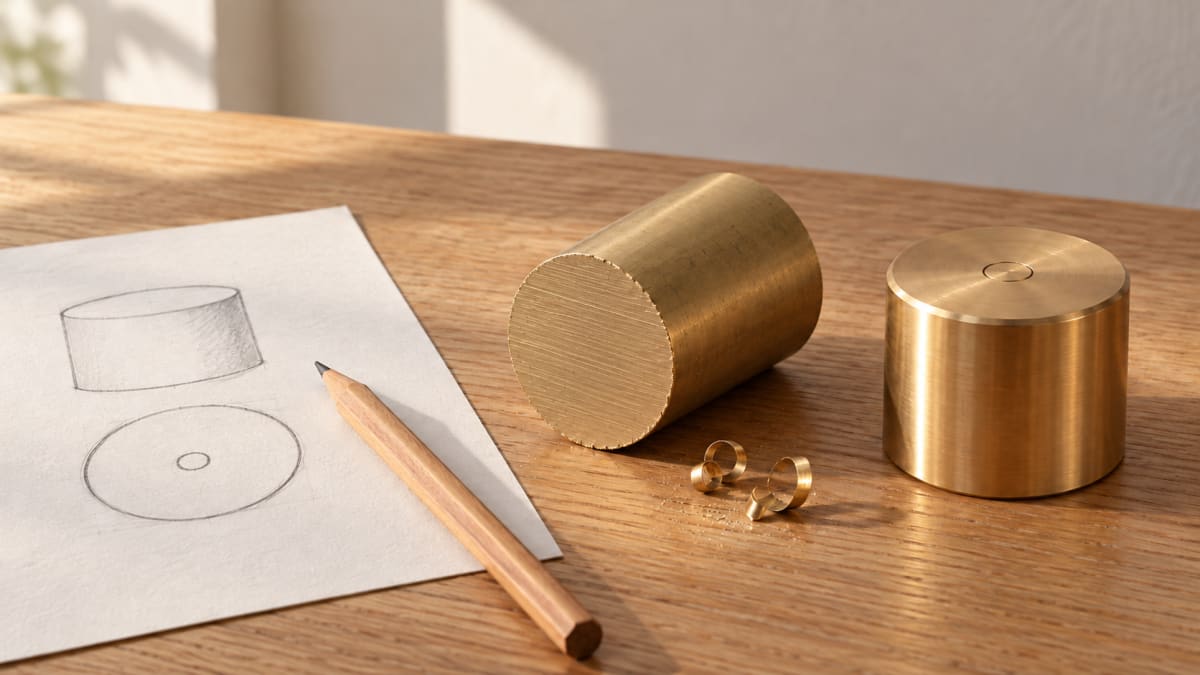
AI-generated editorial illustration for Wischos Gift
Quick Answer
Custom brass corporate gifts pass through eight stages: brief, alloy choice, forming, finishing, logo marking, paid sample approval, production with quality checks, then packing and shipment. Quantity, design, finish and approval timing shape the cost and schedule.
In our projects, brass gift runs of a few hundred pieces are almost always CNC-machined from solid brass, then finished, lacquered, laser-engraved and packed into a fitted box. The process takes longer than ordering from a catalogue because a paid sample has to be approved before production starts, and that approval is where the important decisions get locked in.
Three choices drive most of the cost and most of the result: which brass alloy, how the part is made, and what the surface is left with. Settle those in the brief and the rest of the project is coordination.
Wischos Gift is a China-based sourcing partner, not a factory. We match each brief to specialist workshops and manage the steps below through one contact. Here is the order they happen in, what you decide at each stage, and where projects tend to slip.
Before you plan a custom brass gift
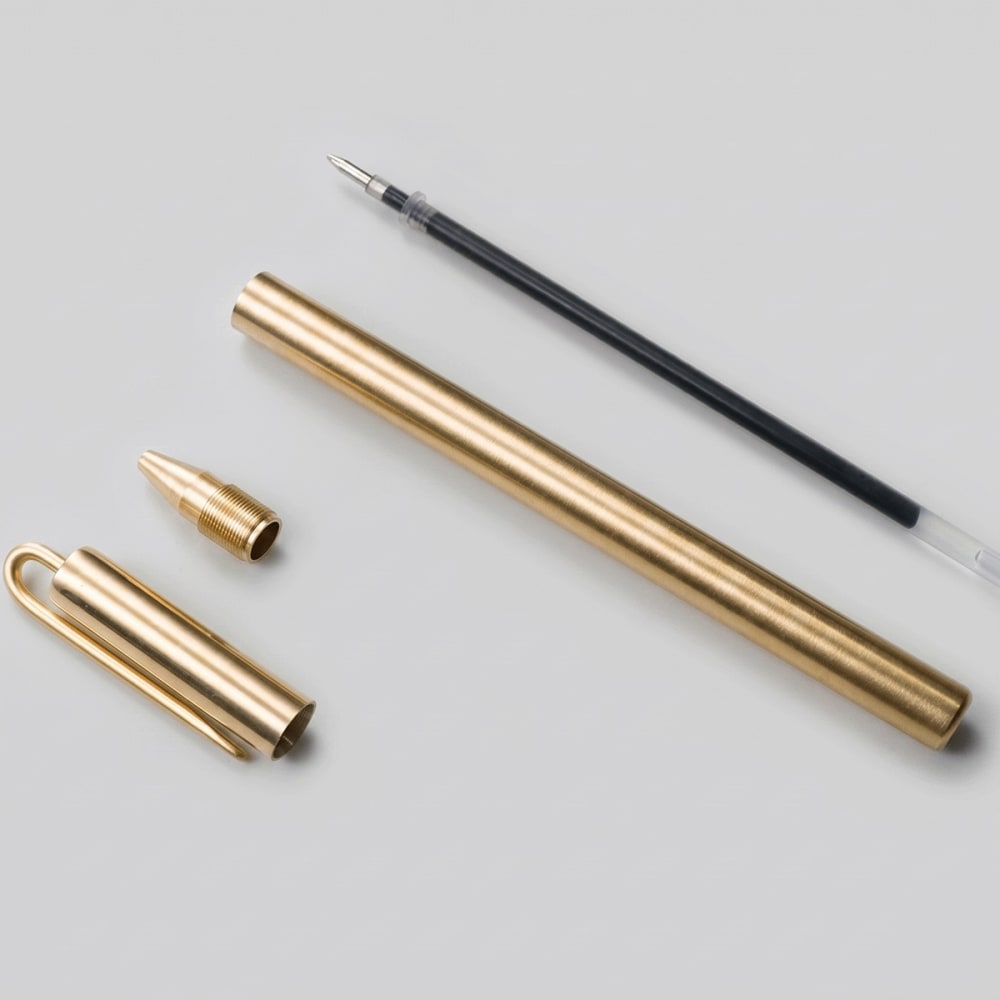
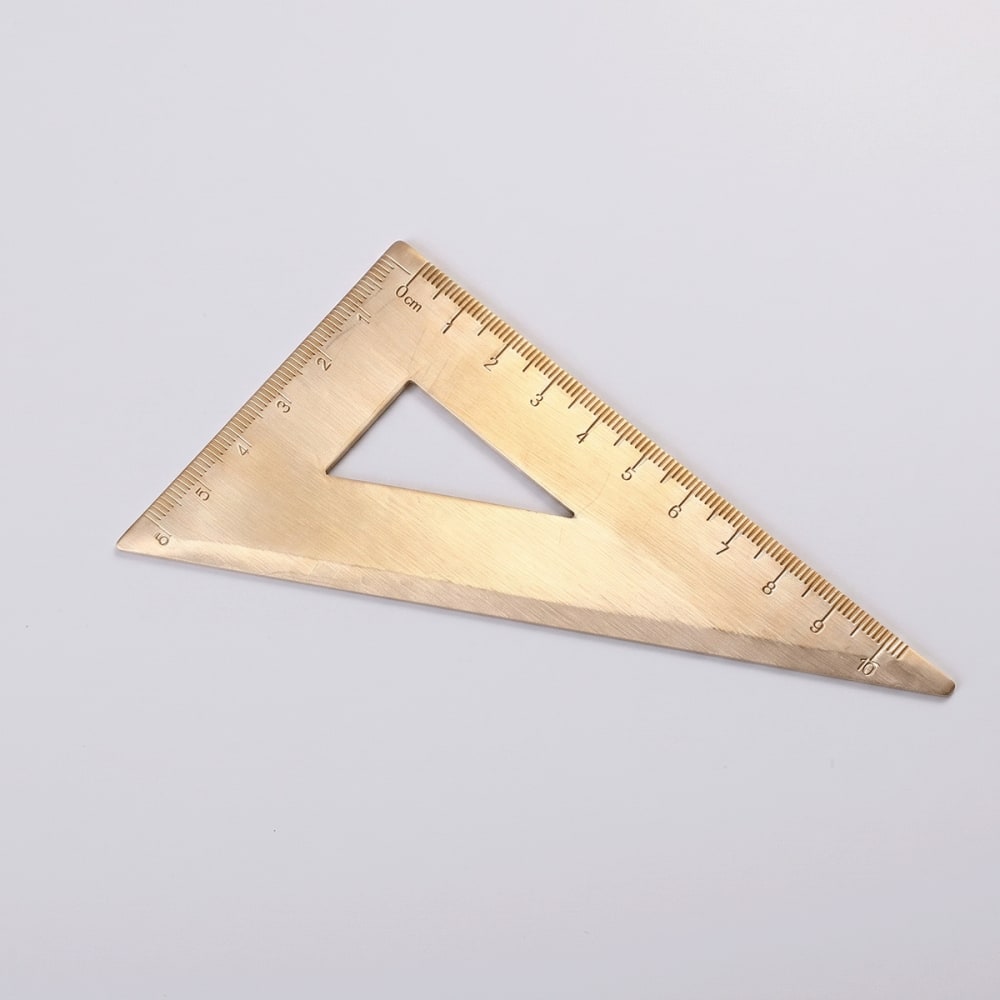
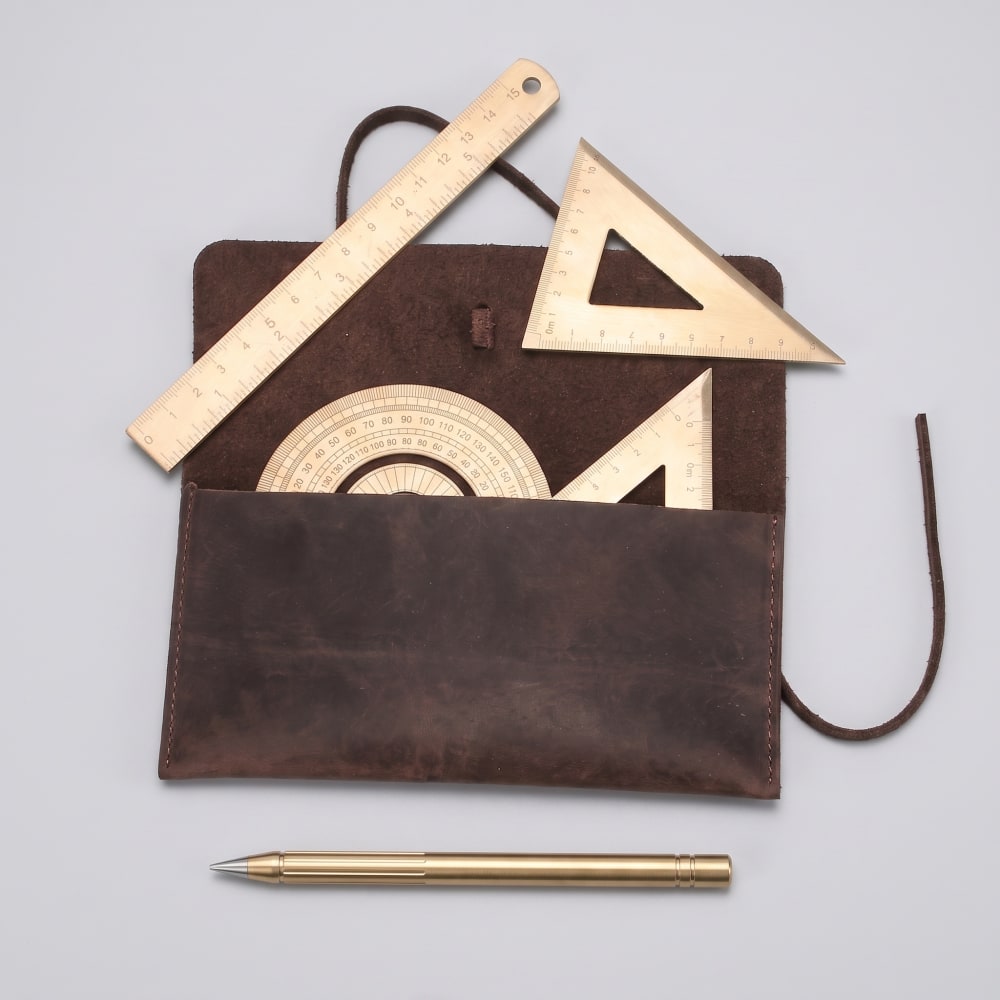
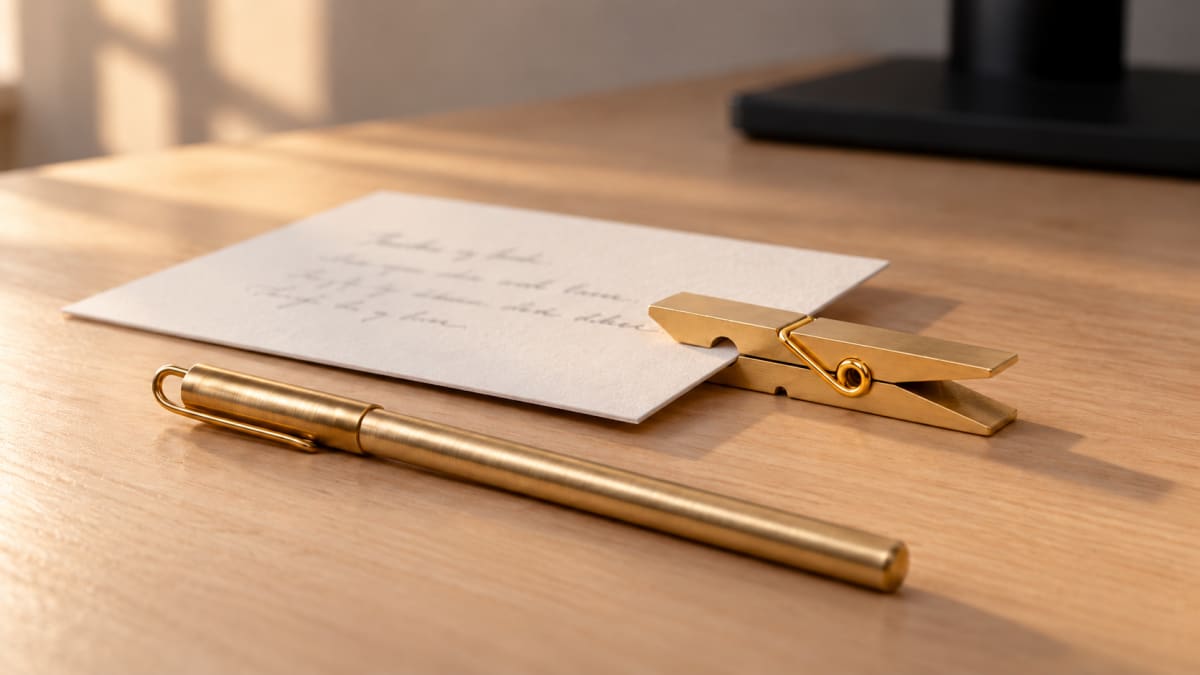
A brass pen, a set of drawing tools and a small desk object can all carry a company mark, but they need different specifications. A pen has threads and moving parts to check; a ruler needs readable scales and clean edges; a desk object needs a stable base and a weight that suits its use.
Existing examples include our solid brass ballpoint pen, brass measurement set and Blueprint desk gift set. These show the kinds of objects you can start from; a new design needs its own feasibility review.
| Planning question | What to allow for |
|---|---|
| How many? | Most Wischos custom projects start around 100 pieces or sets; feasibility depends on the item. |
| What affects cost? | Material, machining time, finishing, marking, packaging and delivery terms. |
| Is sampling paid? | Yes. Agree the sample scope and any included revisions before work starts. |
| How long? | Production normally takes 25–35 days from production start. Add development, sampling, approvals and shipping. |
Stage 1: The brief
A brief does not need to be a finished drawing. A sketch, a photo of an object you like, or a reference product with notes ("this, but heavier, with our logo on the base") is enough to start a feasibility review. What helps most is a quantity range, a rough budget per piece, the date the gifts must be in hand, and the destination country.
Mention the budget early. A larger or heavier piece uses more brass and more machine time, so two designs with the same footprint can sit in very different price bands. A rough figure per piece lets the supplier say whether the idea is realistic before anyone pays for a sample. The full list is in what we need to review a custom metal gift project.
Stage 2: Choosing the brass alloy
"Brass" is a family of copper–zinc alloys, and the grade changes how a piece machines, bends, polishes and ages. "Solid brass" tells you the piece is brass all the way through; it does not tell you which grade. Gift products made in China are most often listed as H59, H62 or H65; the number is the nominal copper content. For corporate gifts, these groups come up most often:
| Alloy group | Typical names | What to confirm |
|---|---|---|
| Common Chinese brass grades | H59, H62, H65 | Exact grade, composition documentation and suitability for the design. The names are not interchangeable. |
| Cartridge brass | C26000 | A higher-copper grade; check whether the selected stock suits the forming process. |
| Free-cutting brass | C36000, often called C360 | Easy machining, but 2.5–3.0% lead needs consideration for the product and destination. |
| Lead-free alternatives | Silicon or bismuth brasses, including C69300 | Exact specification, availability and compatibility with the intended manufacturing route. |
The Copper Development Association's wrought brass datasheet gives UNS alloy compositions; Concast lists lead-free brass options. Chinese grade names and UNS numbers are not exact substitutes. Ask for the selected grade and its composition in writing rather than treating “solid brass” as a complete material specification.
Where C36000 (C360) fits
C36000 is a widely used free-machining brass. Mueller Brass describes it as the industry standard for general machining and high-volume production, and its lead content is what lets the cutting tool break chips cleanly at high speed. Its industrial home is plumbing fittings, valve stems and screw-machine parts.
In gifts, it shows up wherever a piece is turned with fine detail: pen bodies and mechanisms, threaded caps, knurled grips, small fittings. Several US makers of machined EDC pens specify it, for example CountyComm's Pen-Go and Karas Kustoms' Brass Bolt.
It is the wrong choice in two situations:
- Bent, pressed or drawn parts. Mueller notes poor hot workability and only moderate cold workability for C36000. Review a grade intended for the forming process instead of choosing it for machinability alone.
- Products with lead restrictions in the destination market. A grade chosen for easy machining may not suit the product’s intended use. Confirm the material and testing requirements before sampling.
Lead content to check before sampling
Raise lead content before paying for a sample. For EU consumer products, have a testing laboratory or compliance adviser check the current REACH restrictions, including which conditions and exemptions apply to the actual item. Do not infer compliance from a grade name or a coating.
For California, lead is on the Proposition 65 list, and businesses must determine whether exposure requires a warning. Composition and exposure are different questions: a material certificate alone does not answer both.
Confirm the alloy, intended use, destination and any documentation or testing before approving the sample. Photographs cannot verify lead content.
For reference, our Blueprint drafting set uses unplated H65 for the ruler, triangles and protractor, and H62 for the pen barrel.
Stage 3: How the piece is made
In the brass gift projects we source, runs of a few hundred pieces are usually CNC-machined. This avoids a dedicated casting mould or stamping die, though programming, fixtures and machine time still cost money. Other methods can suit different shapes and quantities:
| Method | How it works | Suits | Tooling |
|---|---|---|---|
| CNC machining / turning | Cut from solid bar or block | Pens, weights, canisters, spinning tops, most desk objects | Programming, fixtures and cutting tools |
| Laser or wire cutting from sheet | Profile cut from flat sheet | Flat pieces such as bookmarks or plates | Programming and setup; no dedicated die |
| Stamping / pressing | Sheet cut or formed in a die | Simple flat or shallow parts at higher volumes | Dedicated die |
| Casting | Molten brass poured into a mould | Sculptural or organic shapes | Mould or pattern, plus more finishing |
If a design genuinely needs a die or mould, expect tooling as a separate line in the quote and extra time before sampling.
Drawing details matter for CNC. Internal corners keep the radius of the cutting tool, so deep pockets and sharp inside corners should be reviewed before quoting.
One more decision belongs here: solid brass or brass-plated. Plated zinc alloy or steel looks similar on day one and costs less, but plating can wear through on edges with use and show the base metal. If the gift is meant to be kept for years, ask for "solid brass" and the alloy grade on the quotation.
Stage 4: Finishing and lacquer
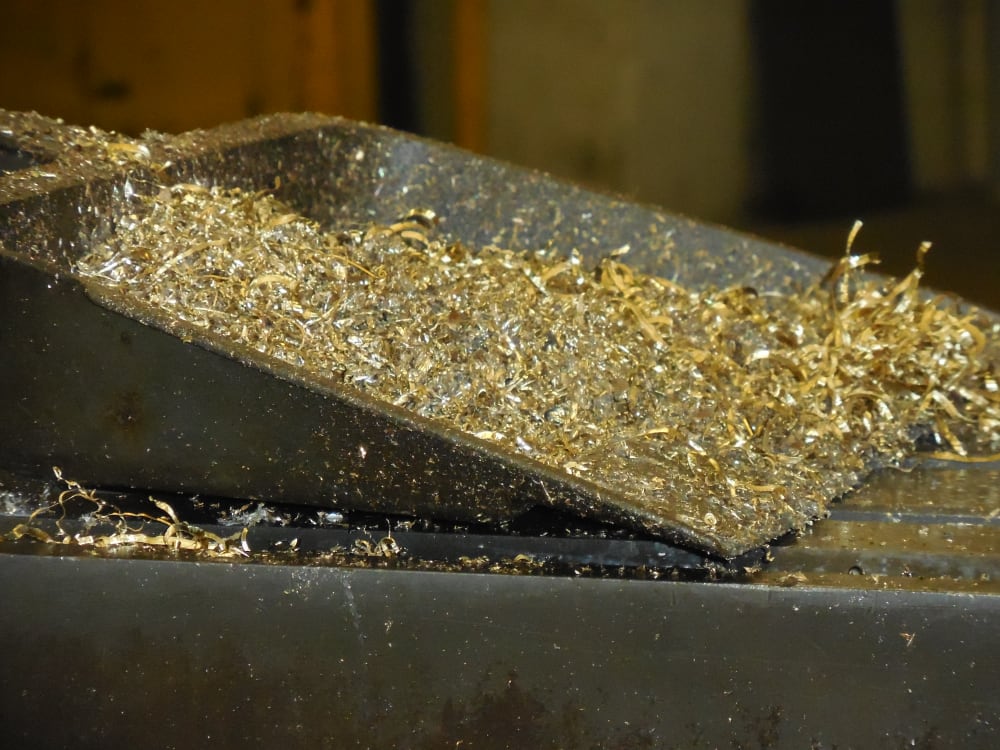
Brass leaves the machine with tool marks. Finishing turns it into something people want on their desk. Texture and protection are two separate choices, so specify both.
Texture
- Brushed (satin): fine linear grain that hides small marks better than a mirror surface. On a set, agree the grain direction across adjoining faces.
- Polished: mirror-bright and shows every fingerprint and scratch. Check the sample under ordinary room light, not only in close-up photos.
Protection
- Clear lacquer (our usual default): most brass pieces we source are lacquered. It helps reduce fingerprint marking and slows oxidation, so the piece arrives and stays close to the approved colour. The German Copper Institute notes that a colourless lacquer retains the natural colour of brass for a long time, that indoor lacquers give sufficient protection for interior use, and that good adhesion depends on proper surface preparation.
- Raw / unlacquered (on request): darkens and develops a patina with handling. Some buyers want exactly this. Unprotected brass needs metal polish to bring it back, so tell recipients the change is intended.
- Plating or PVD: changes the colour (black, gunmetal, gold tone). Useful for brand colour matching, but you are no longer seeing brass.
Lacquer or raw is a design choice. Decide it before sampling, because it changes how the engraving looks and how the piece ages. More in our guide to metal surface finishes for corporate gifts.
Stage 5: Logo and personalisation
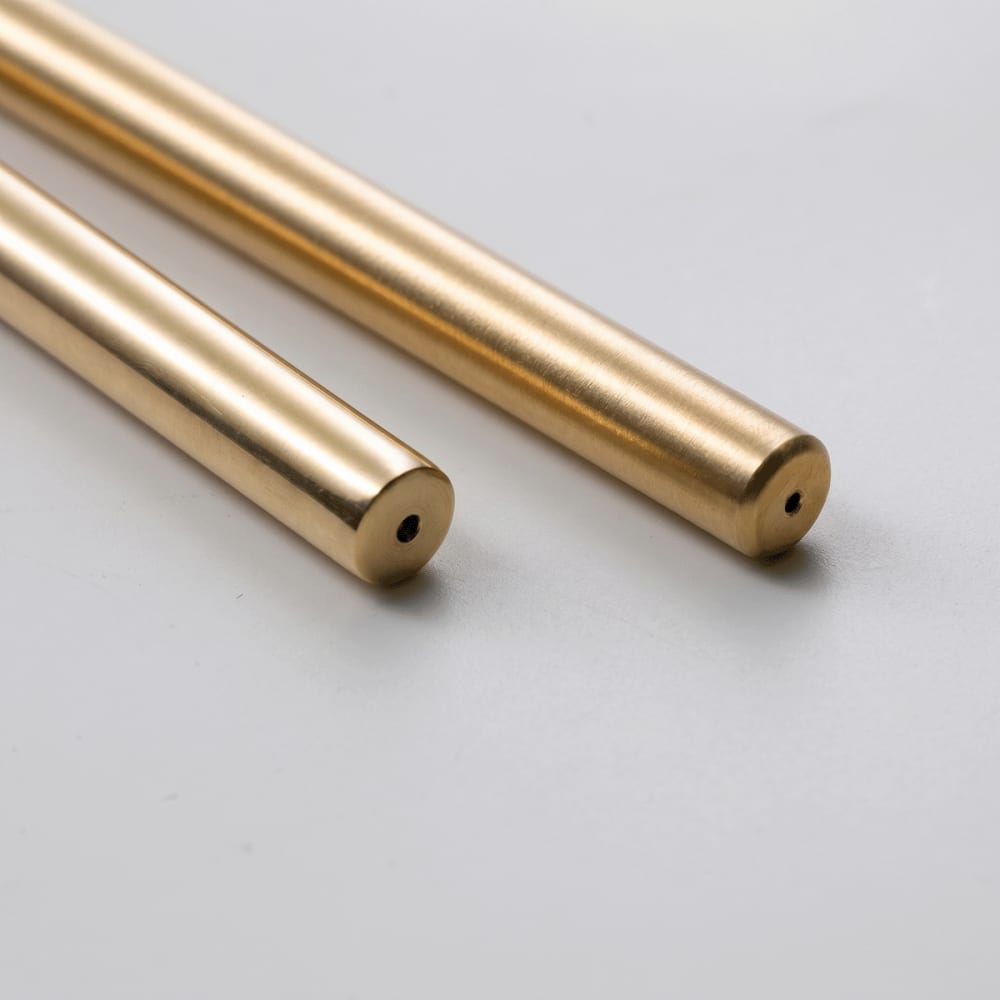
Laser engraving is a common choice on brass, including for individual names or numbering. It removes material to leave a recessed mark; other laser methods colour the surface instead of cutting into it. Contrast depends on the finish, so approve depth and legibility on the sample rather than on a rendering. Deeper engraving, chemical etching, debossing or enamel colour fill are options when the logo needs more contrast.
Three checks on the artwork:
- minimum line thickness for small lettering;
- logo position relative to edges, threads and curves;
- whether marking happens before or after lacquering. Engraving through lacquer leaves bare brass in the mark, which can then tarnish differently from the rest; lacquer applied over a mark changes how it looks.
See laser engraving vs colour printing for how marking methods compare.
Stage 6: The paid sample
This is the stage that separates custom work from catalogue ordering. A custom sample uses real material and machine time, so it is paid. Before sampling, the quotation should confirm what the fee covers, how many revision rounds are included, and whether any of it is credited against production. The review method is agreed upfront: photos and video, or a physical sample sent when the schedule allows.
What to check on the sample:
- weight and feel in hand, against what you expected;
- colour and finish in daylight;
- engraving depth, sharpness and position;
- edges, threads and any moving parts;
- fit inside the box insert.
If the sample differs from the planned production material or finish, note the difference before approving. Production starts only after approval, and changes after that usually mean new costs and a new date.
Stage 7: Production and quality control
For Wischos projects, production normally takes 25–35 days from production start, depending on the item, quantity and finish. That is a production window, not an order-to-door promise. During production we share photos at key stages, and before shipment we send photos and video of finished goods for your approval.
What to inspect on brass: finish consistency across the batch, scratches from handling between processes, even lacquer coverage, and engraving position. For a set, inspect the pieces together: a ruler can look fine alone and still rub against the pen inside the insert. Photos confirm appearance and count; they cannot confirm alloy composition, so if the grade matters (see the lead rules above), agree the material documentation or lab testing upfront. Our metal corporate gift quality checklist lists the full set of checks.
Stage 8: Packing and delivery
Metal-on-metal contact scratches brass, even lacquered brass. Each piece needs its own wrap or fitted slot so pieces don't rub in transit, and the outer carton has to carry the weight of solid metal. We quote FOB or CIF as standard and assess DDP per project, depending on destination and shipping route.
What drives cost: a simple way to compare quotes
Compare quotes only on the same specification. A useful formula:
Cost per delivered gift = product and packing cost + share of tooling or development cost + freight, duties and handling.
Material, machining time, hand finishing, lacquer, logo operations, assembly and packaging sit in the first term. Check which of the three terms each quote actually includes before comparing totals. If a quote includes a die or mould, ask who owns it and whether it is kept for repeat orders.
A realistic sequence for planning
| Stage | What you decide | Who signs off |
|---|---|---|
| Brief | Idea, quantity, budget per piece, deadline, destination | You |
| Specification & quote | Alloy, method, finish, lacquer, marking, packaging, incoterm | You approve the quote |
| Paid sample | Physical or photo/video review | You approve the sample |
| Production | Supplier runs it and shares progress photos | Supplier |
| Pre-shipment check | Photos and video of finished goods | You approve shipment |
| Delivery | FOB / CIF / DDP as quoted | — |
Sampling time depends on the design: adapting an existing product is faster than building a new one from a drawing. Plan backwards from your hand-out date and leave room for one sample revision, sample shipping if needed, freight, customs clearance and internal distribution.
When custom brass is not the right choice
- You need the gifts in three weeks. A paid sample plus production does not fit. Choose an existing product with engraving instead.
- The quantity is well under 100. Custom work usually starts around 100 pieces or sets; smaller runs are sometimes possible but cost more per piece.
- The item will hold food or drink. Food-contact use needs the right alloy or a lined design, plus testing for your market. Raise it in the brief.
- The budget is very tight. Plated zinc alloy can look like brass for less, but it won't age like brass. Be clear which one you are buying.
Next step
Send a reference image or sketch, your quantity range, budget per piece, destination country and required arrival date. Add any logo and packaging preferences you already know; leave the rest open for discussion.
If you would rather start from pieces that already exist, the brass gift sets page lists our brass range and the sets built from it. Our custom projects page explains the specification, paid sample and production process. Discuss your custom brass project and we can assess whether the idea works within your budget and timing before you commit to a sample.
Frequently Asked Questions
Are custom brass gifts cast or machined?
In Wischos brass gift projects of a few hundred pieces, CNC machining from solid brass is the usual route. Casting and stamping have different tooling and finishing requirements; the appropriate route depends on shape, quantity and budget.
Should brass gifts be lacquered?
Usually, yes. Clear lacquer helps reduce fingerprint marking and slows oxidation, so the piece stays close to its approved colour. Leave it raw only if you want it to darken and develop a patina with use.
What is C360 brass used for?
C360 (UNS C36000) is free-cutting brass with 2.5–3.0% lead. It is used for machined parts including pen bodies, threads and knurled grips. Confirm suitability and any testing requirements for the intended product and destination before choosing it.
What is the minimum order for a custom brass gift?
At Wischos, most custom projects start at 100 pieces or sets. The workable minimum depends on the item and any tooling. If your quantity is lower, tell us and we will say honestly whether it can work.
More Articles

Ready to order?
Browse the Catalogue or Send a Brief
Curated metal products and gift set concepts for B2B programs. Custom branding, packaging, and sourcing support available.